Introduction
In the world of emergency situation medical reaction, the capability to act swiftly and properly can imply the difference in between life and fatality. Among the most vital devices in this world is the Automated External Defibrillator (AED). Public awareness on defibrillator usage is crucial, as it encourages people to do something about it throughout cardiac emergencies. This write-up will explore numerous elements of AEDs, including basic vs sophisticated life assistance, hospital codes and protocols, and the value of public defibrillator use. Let's delve into exactly how we can make a distinction with education and preparedness.
Public Recognition on Defibrillator Use: Making a Difference
Understanding just how to utilize a defibrillator can be a game-changer in an emergency scenario. Every year, thousands pass away from sudden heart attack (SCA), but with correct training and recognition, numerous lives might be conserved.
What is an AED?
An Automated External Defibrillator (AED) is a portable device that can evaluate the heart's rhythm and deliver an electric shock if essential. This shock can help re-establish a reliable rhythm in cases of SCA.
Why Public Understanding Matters
- Increased Survival Rates: Researches reveal that prompt use an AED can dramatically enhance survival rates. Empowerment: Expertise lowers fear; understanding how to make use of these tools empowers onlookers to act. Community Preparedness: Areas that are enlightened about AEDs create more secure environments.
Basic vs Advanced Life Assistance: A Relative Overview
When going over defibrillation, it's crucial to separate between basic life support (BLS) and advanced life support (ALS).
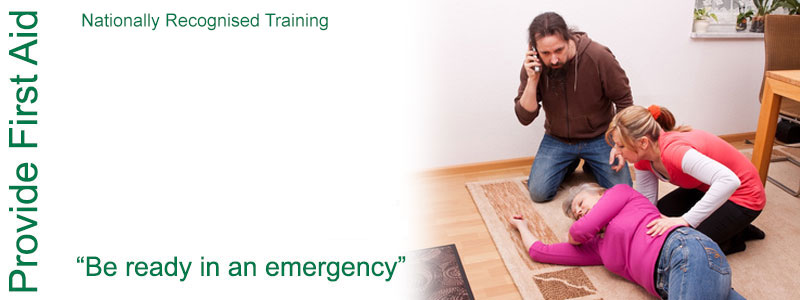
Basic Life Support (BLS)
BLS describes the first actions taken by laypersons or initial responders in case of a cardiac arrest:
- Checking responsiveness Identifying no breathing Performing CPR
BLS focuses on keeping blood circulation until sophisticated medical assistance arrives.
Advanced Life Assistance (ALS)
ALS involves a lot more complicated treatments normally performed by trained specialists:
- Administration of medications Advanced airway management Use of innovative surveillance equipment
While BLS is essential in the early moments complying with heart attack, ALS takes over as soon as trained employees arrive.
Steps for Making use of an AED Safely
Call Emergency Services: Prior to utilizing an AED, ensure that emergency situation solutions have actually been contacted. Check Responsiveness: Gently touch the individual and yell to see if they respond. Identify No Breathing: Look for upper body increase or pay attention for breath sounds. Retrieve the AED: Get the nearby AED while assessing the casualty. Turn On the AED: Follow voice triggers as you affix pads to the chest. Stand Clear: Make sure everybody is far from the person while evaluating heart rhythms. Deliver Shock If Advised: If prompted by the device, press the shock button.Maintaining Calmness Throughout Emergencies
It's essential for onlookers to remain calm throughout emergency situations. Preserving composure not just assists you assume clearly yet likewise urges others around you to do so as well.
Hospital Codes and Protocols
Once emergency situation services get here, they comply with recognized health center codes and methods:
Common Hospital Codes Related to Cardiac Arrest
|Code|Summary|| ------|------------------------------|| Blue|Cardiac Arrest|| Red|Fire Emergency|| Yellow|Internal Emergency|
These codes streamline communication among healthcare providers so they can react swiftly.
Protocols Complying with AED Use
After using an AED:
- Document details regarding its usage Hand over any details collected from your assessment Stay available for further doubting by medical professionals
Public Defibrillator Usage: Enhancing Accessibility
The positioning of public access defibrillators is key in enhancing community safety and security:
Where Are They Located?
Public accessibility defibrillators are typically discovered in:

- Shopping malls Airports Schools
Awareness campaigns need to educate citizens concerning their locations.
Why Community Training Is Essential
Training sessions ought to be organized on a regular basis to guarantee area participants recognize exactly how to run these devices effectively.
Statistics That Matter
Studies show neighborhoods with widespread access to AEDs significantly decrease death prices associated with unexpected cardiac arrest.
Importance of BLS Qualification in Communities
Obtaining BLS certification boosts community strength versus cardiac emergency situations:
Benefits of BLS Certification
Increased possibility of prompt action during emergencies Enhanced understanding of fundamental lifesaving techniques Improved self-confidence amongst area membersMany organizations offer BLS certification courses, making it accessible for everyone thinking about discovering lifesaving skills.
Identifying No Breathing: Key Indicators
Recognizing when somebody isn't breathing can save precious time:
Signs Indicating No Breathing
Absence of chest surge or loss No audible breath sounds Cyanosis or bluish coloring around lips or fingertipsUnderstanding these indicators makes it possible for quicker action when secs count.
Taking Turns on Compressions Throughout CPR
Effective mouth-to-mouth resuscitation requires endurance; thus taking turns is suggested:
How Often Must You Switch?
Compression cycles need to ideally last no longer than two minutes before changing rescuers-- this aids preserve top quality compressions without fatigue setup in.
Strategies for Reliable Teamwork
Using verbal signs like "changing" can assist promote smooth shifts without shedding rhythm.
Compression Depth and Rate Considerations
Proper compression deepness and rate are extremely important for effective CPR:
Recommended Compression Depth
For grownups:
- Compress at the very least 2 inches deep however not going beyond 2.4 inches
For kids:
- Compress around 1/3 deepness of their chest
Optimal Compression Rate
Aim for a price of 100-- 120 compressions per min-- this albury childcare first aid course straightens with preserving adequate blood circulation during mouth-to-mouth resuscitation efforts.
FAQ Section
1. What ought to I do if I discover a person unresponsive?
Call emergency situation services right away while inspecting their responsiveness and breathing prior to initiating CPR if necessary.
2. Exactly how do I understand if I require to utilize an AED?
If a person is less competent and not breathing typically, using an AED may be critical; turn it on after requiring help.
3. Can anybody use an AED?
Yes! A lot of public access AEDs are created for layperson use; they give CPR training near Albury step-by-step directions with voice prompts.
4. What happens if I provide a shock when it's not needed?
Modern AEDs only encourage shocks when essential; delivering unneeded shocks rarely positions damage yet may delay treatment if done exceedingly without specialist intervention.
5. How often need to neighborhood participants revitalize their mouth-to-mouth resuscitation skills?
It's usually recommended every two years; correspondence course guarantee your abilities remain up-to-date as standards develop over time!
6. Are there legal securities for Good Samaritans that help throughout emergencies?
Yes! Many territories have Good Samaritan regulations securing people who provide help during emergency situations from liability as long as their activities are affordable under circumstances!
Conclusion
Public awareness on defibrillator use is not simply helpful-- it's necessary in saving lives throughout cardiac emergencies! By gearing up neighborhoods with knowledge on basic vs sophisticated life assistance methods, identifying indicators such as no breathing, keeping composure under stress, and guaranteeing accessibility with public defibrillator positionings, we develop safer settings where individuals feel equipped to act decisively when every 2nd counts!
Investing time right into learning more about these crucial devices will certainly lead us towards making significant distinctions within our neighborhoods-- since every heartbeat matters!